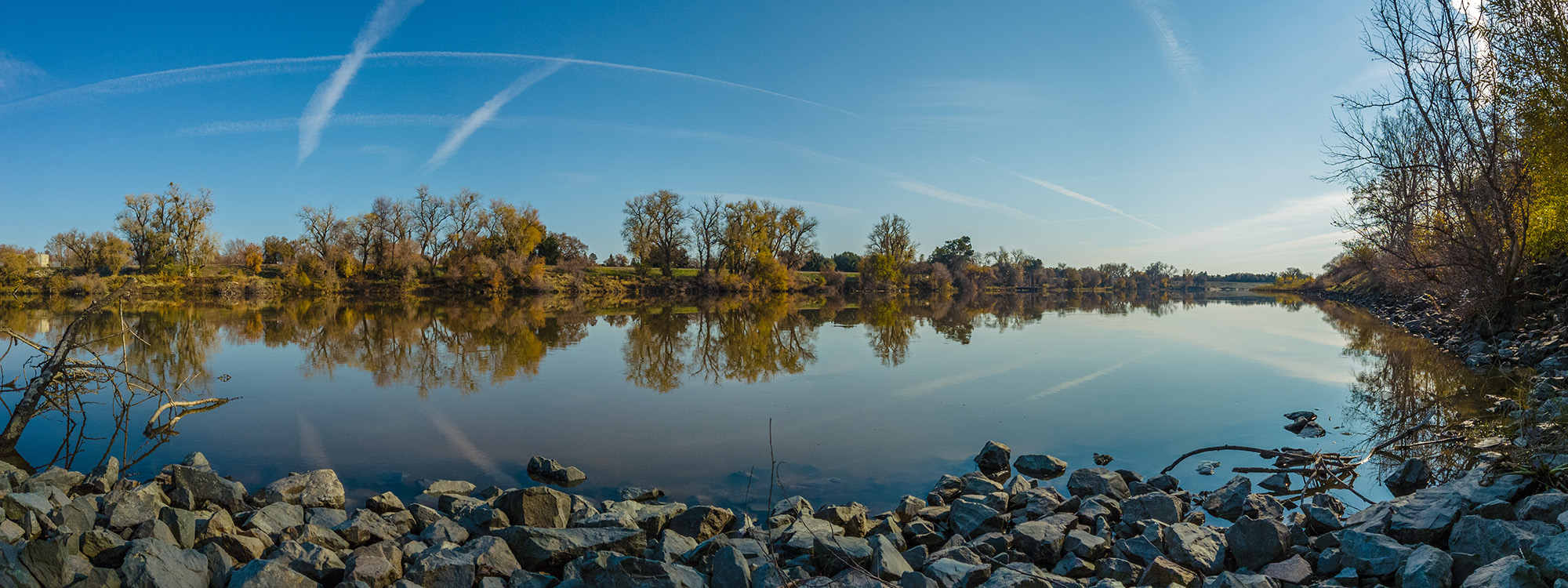
Becoming a National Heritage Area

Years of migration related to the Gold Rush Era brought people from all walks of life together, enmeshing the area with cultures that have clashed and blended within the California Delta.

Most small towns interspersed along the San Joaquin and Sacramento rivers have a historical business district. The rivers themselves fuel the lush agricultural lands the area is known for and supply fresh water to two-thirds of California.

What is a National Heritage Area?

When the area is as significant to not only the past but the future success of the state — like the California Delta — the U.S. Congress can grant it a National Heritage Area designation. Since 1984, National Heritage Areas (NHA) have worked with National Parks to preserve the rich history and important functions of designated NHA regions. Unlike National Parks and Monuments, people typically live, work, and play within NHAs and the region isn’t acquired by the federal government. According to the National Parks Service, “National Heritage Areas (NHAs) are designated by Congress as places where natural, cultural, and historical resources combine to form a cohesive, nationally important landscape.”

The importance of NHAs

Land within an NHA is managed and monitored closely to ensure it lasts for generations to come. In addition to a really cool title, Congress allocates NHAs a managing board and special funding. Local communities and leadership collaborate with the National Parks Service to create a community-driven strategic plan for managing the growth, education, and preservation of the NHA.

Congress designated funding is provided to further economic development, improve air and water quality, expand local history education initiatives, and build engagement within the community.

The California Delta as a NHA
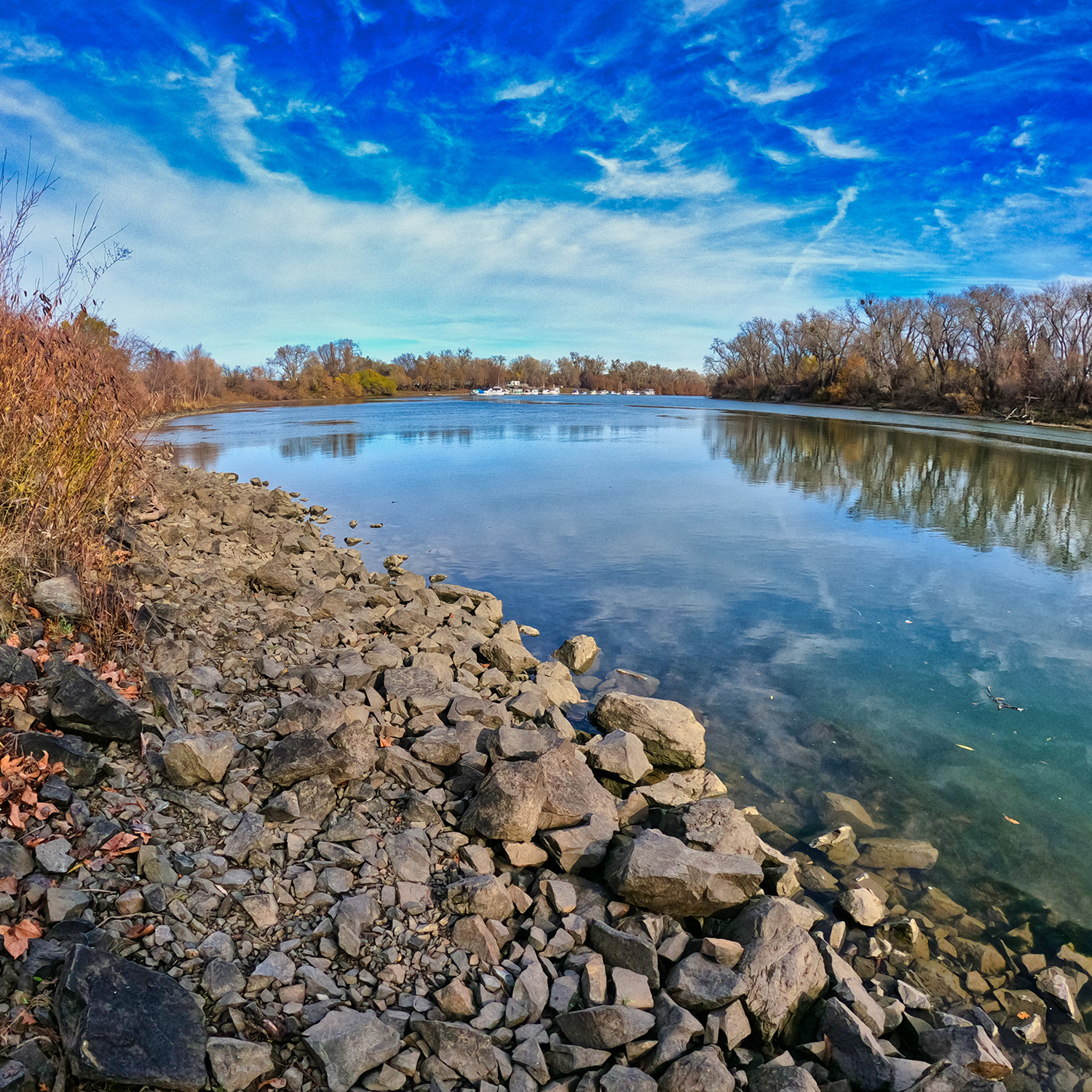
The years long process of becoming an NHA was initiated by Governor Schwarzenegger in 2008 and finally granted in 2019. The first NHA in the state, the California Delta NHA houses a rich history of indigenous peoples and immigrants, expansive natural beauty and wildlife, picturesque towns, and waterways that support more than 29 million Californians. Subsequently, the conversion of the Delta marshlands to rich farmland is touted as one of the largest reclamation projects in the U.S. Topographically, the NHA stretches from Sacramento to Stockton to Vallejo — containing the Sacramento and San Joaquin rivers at its heart.

Managing the Delta

Upon receiving the designation, the Delta Protection Commission (DPC) was formed — governed by a 15-member board. Over the last several years, they’ve been hard at work building a plan for protecting the Delta and guiding it into the future. The management proposal was submitted to the Secretary of Interior for review in March 2024 and awaits approval for implementation. As stewards for the Delta, the DPC commissioned several projects to educate locals, weekenders, and tourists on the area including: Delta Narratives, Delta Heritage Forum, Delta Heritage Courier, Delta Anthology, and a Delta Narratives Curriculum for fourth grade students.

*With all of the benefits of NHAs, it’s also important to note they are not owned by or controlled by the National Parks Service. Rather, the NPS partners with NHA boards for technical assistance and disbursing federal funds from Congress to the area.

Scroll to Top